
A Comprehensive Guide to Modern Currencies
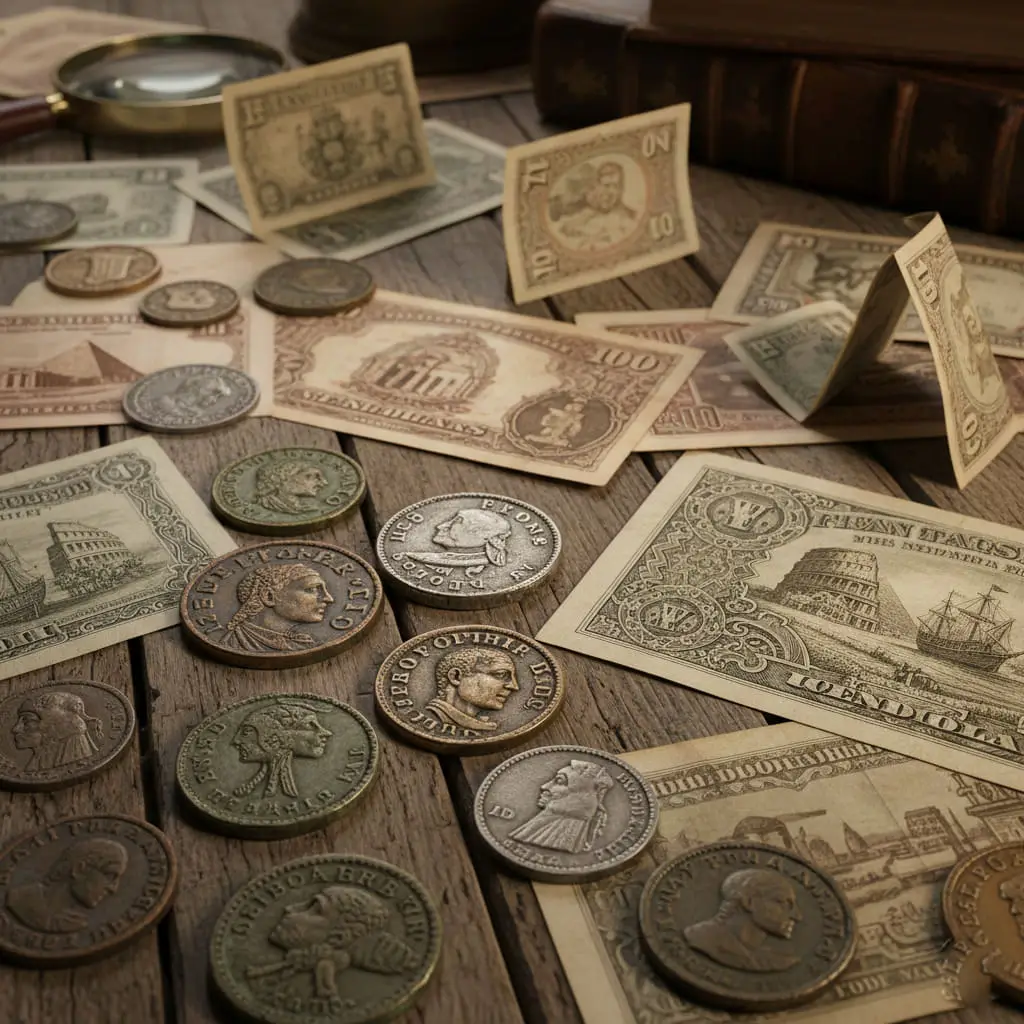
Currencies are timeless expressions of human history, capturing the cultural, political, and economic narratives of the eras in which they were created. Each coin or banknote represents more than a medium of exchange; it reflects the identity and values of the civilization that issued it. Many historic currencies were minted reminds of intricate artistry, national symbols, portraits of leaders, and meaningful inscriptions that convey power and tradition. As tangible artifacts, they provide a direct connection to ancient trade systems, empires, and global economic evolution. Collecting heritage currencies is an important way to preserve this rich monetary legacy and protect objects that shaped world commerce. Through careful preservation and study, collectors help safeguard the story of global financial development.
Gold and Silver Bullions Explained
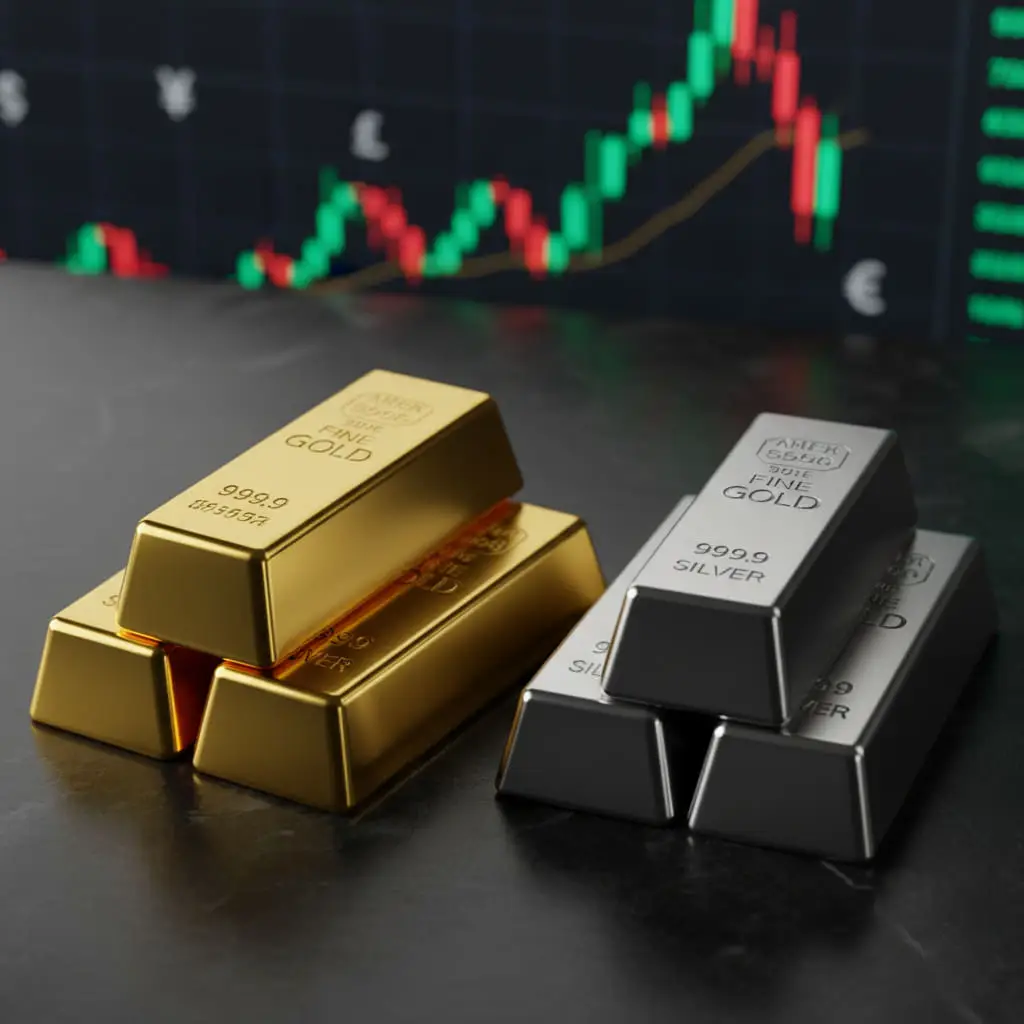
Bullions are refined precious metals of exceptionally high purity, most commonly gold and silver, carefully molded into bars or ingots to facilitate investment and commercial trade. Unlike jewelry or collectible items, bullions are valued strictly according to their weight and intrinsic metal content rather than decorative or artistic appeal. This practical form of physical wealth has been trusted for centuries as a stable and reliable store of value, offering protection against economic uncertainty and currency fluctuations. Investors often use bullions as an effective hedge against inflation and market volatility, helping to preserve purchasing power over the long term.
Across global financial markets, bullions are universally recognized and easily tradable assets supported by transparent pricing standards. They also hold strategic importance beyond private portfolios, forming a key component of central bank reserves and national monetary security.
Curated Antiques for Discerning Collectors
Antiques are enduring symbols of history that create a meaningful bridge between the present and the past. They reflect the artistry, dedication, and exceptional craftsmanship of earlier generations, preserving the cultural spirit of long-gone eras. Every antique piece is unique, shaped by years of use, care, and preservation, and carries within it a story that cannot be replicated. From vintage furniture to historic coins and artifacts, antiques offer authenticity and charm that modern products often lack.
Collecting antiques is more than a hobby—it is an act of safeguarding heritage and honoring tradition.

Understanding Rare Earth Elements
Rare earth metals are a distinctive group of 17 elements that share close chemical characteristics and play an indispensable role in the development of modern advanced technologies. These elements are fundamental components in a wide range of products and industries, powering devices such as smartphones, computers, medical equipment, and digital displays. They are also vital for emerging innovations like electric vehicles, hybrid engines, renewable energy systems, and high-efficiency wind turbines. In addition, rare earth metals hold strategic importance in aerospace engineering, military hardware, and sophisticated defense systems, making them critical to national security and global technological progress.
Although the term “rare earth” suggests scarcity, these metals are actually fairly abundant within the Earth’s crust.