

New Delhi: The Securities and Exchange Board of India (SEBI) is preparing to introduce a comprehensive and stringent regulatory framework for funds that invest in artworks, antiques, rare coins, and stamps. The proposed move is aimed at curbing the flow of black money into these niche investment avenues while ensuring greater protection for genuine investors who participate in such schemes.
According to officials familiar with the matter, SEBI currently categorizes investment funds focused on art, antiques, coins, and stamps as Collective Investment Schemes (CIS), which fall under the jurisdiction of the capital market regulator. However, the absence of a dedicated regulatory structure tailored specifically to these alternative investment vehicles has raised concerns about transparency, investor protection, and the potential misuse of these funds for parking illicit wealth.
A senior SEBI official noted that the regulator is increasingly worried about the high-risk nature of these funds and their susceptibility to abuse. Due to the subjective valuation of artworks and collectibles, coupled with limited market transparency, these assets can be used as conduits for laundering unaccounted money. As a result, SEBI is actively considering framing a separate and clearly defined set of regulations to address these challenges.
Globally, art and collectible-based funds have long been popular among wealthy investors as an alternative asset class. Such investments are often seen as a means of portfolio diversification, offering returns that are less correlated with traditional asset classes like equities and bonds. Over the last few years, similar funds have begun gaining traction in India, particularly among high-net-worth individuals (HNIs) seeking exposure to non-traditional investments.
Despite their growing popularity, India currently lacks a specific regulatory framework governing these funds. Many of these schemes pool money from multiple investors—often affluent individuals—and invest the capital in high-value artworks, antique artifacts, and rare collectibles. The lack of clear rules governing valuation standards, disclosure requirements, fund management practices, and investor safeguards has prompted SEBI to step in.
To address these gaps, SEBI plans to initiate a detailed consultation process with key stakeholders, including the central government, the Reserve Bank of India (RBI), and industry participants. The objective is to design a regulatory structure that brings greater clarity and accountability to these investment vehicles. According to officials, the regulator aims to finalize and introduce these rules within the current financial year.
This is not the first time SEBI has expressed concern over art funds. As far back as 2008, when such funds began emerging in the Indian market, the regulator issued a public warning advising investors to exercise caution before investing in art-related schemes, particularly those not registered with SEBI. At the time, SEBI’s analysis revealed that several art funds were operating as collective investment schemes without complying with the SEBI (Collective Investment Schemes) Regulations, 1999.
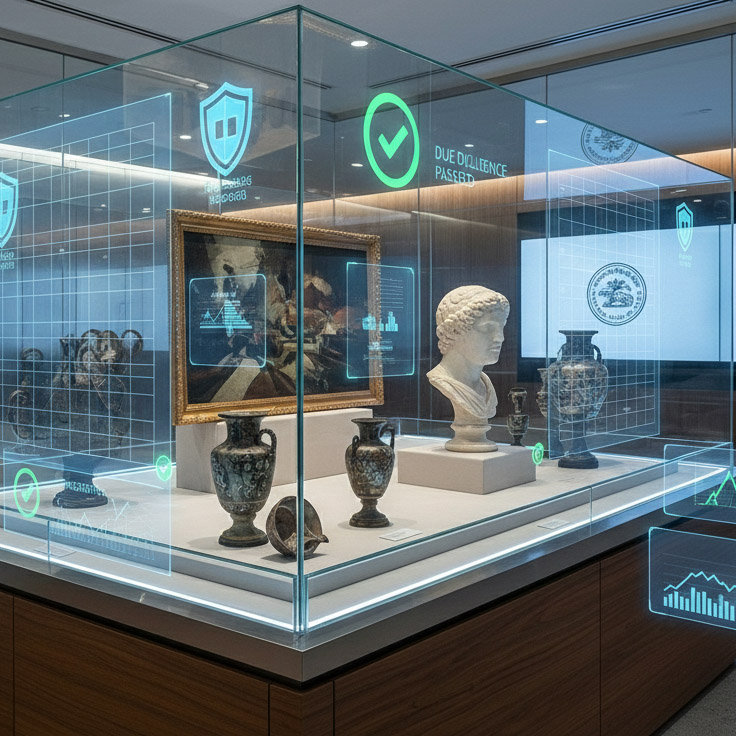
Under existing regulations, only entities registered with SEBI as Collective Investment Management Companies are permitted to launch and manage collective investment schemes, including those focused on artworks and collectibles. However, these rules were not designed specifically with art and antique funds in mind. Over the years, the regulator has recognized the need for a more targeted regulatory approach that reflects the unique risks and characteristics of these investments.
Officials emphasized that valuation remains one of the most critical challenges associated with art and antique investments. Unlike listed securities, these assets lack standardized pricing mechanisms, making it difficult for investors to assess fair value or track performance accurately. This opacity not only increases investment risk but also creates opportunities for price manipulation and misuse.
The proposed regulations are expected to introduce stricter disclosure norms, enhanced reporting requirements, and clearer guidelines on asset valuation and custody. Investor eligibility criteria may also be tightened, potentially limiting participation to sophisticated or high-net-worth investors who are better equipped to understand and absorb the risks involved.
Internationally, alternative investment avenues such as art funds, hedge funds, and private equity have become an integral part of wealth management strategies for affluent investors. Studies suggest that wealthy individuals typically allocate between 5% and 10% of their portfolios to alternative investments, including art and collectibles.
According to the annual World Wealth Report published by Capgemini and Merrill Lynch Wealth Management, alternative investments were projected to account for nearly 9% of high-net-worth individuals’ financial assets in 2011. This marked a recovery from the global financial crisis, during which allocations to alternative assets had declined sharply.
In 2006, alternative investments accounted for nearly 10% of HNIs’ financial assets worldwide. However, the economic slowdown and heightened market uncertainty led to a decline in such investments, with allocations dropping to around 6% by 2009. As global markets stabilized, interest in alternative assets—including art and collectibles—began to revive.
SEBI’s move to regulate art and antique funds reflects a broader effort to strengthen oversight of alternative investment products in India. By introducing clear and enforceable rules, the regulator aims to strike a balance between encouraging innovation in the investment space and safeguarding the interests of investors.
Market participants believe that a well-defined regulatory framework could lend greater credibility to art and collectible-based funds, potentially attracting more institutional participation while reducing the scope for misuse. At the same time, stricter norms may discourage unregulated operators and bring greater discipline to the sector.
As SEBI moves forward with consultations and policy formulation, investors and fund managers alike are closely watching developments. The proposed rules are expected to reshape the landscape of art and antique investments in India, bringing much-needed transparency, accountability, and investor confidence to a rapidly evolving alternative asset class.