
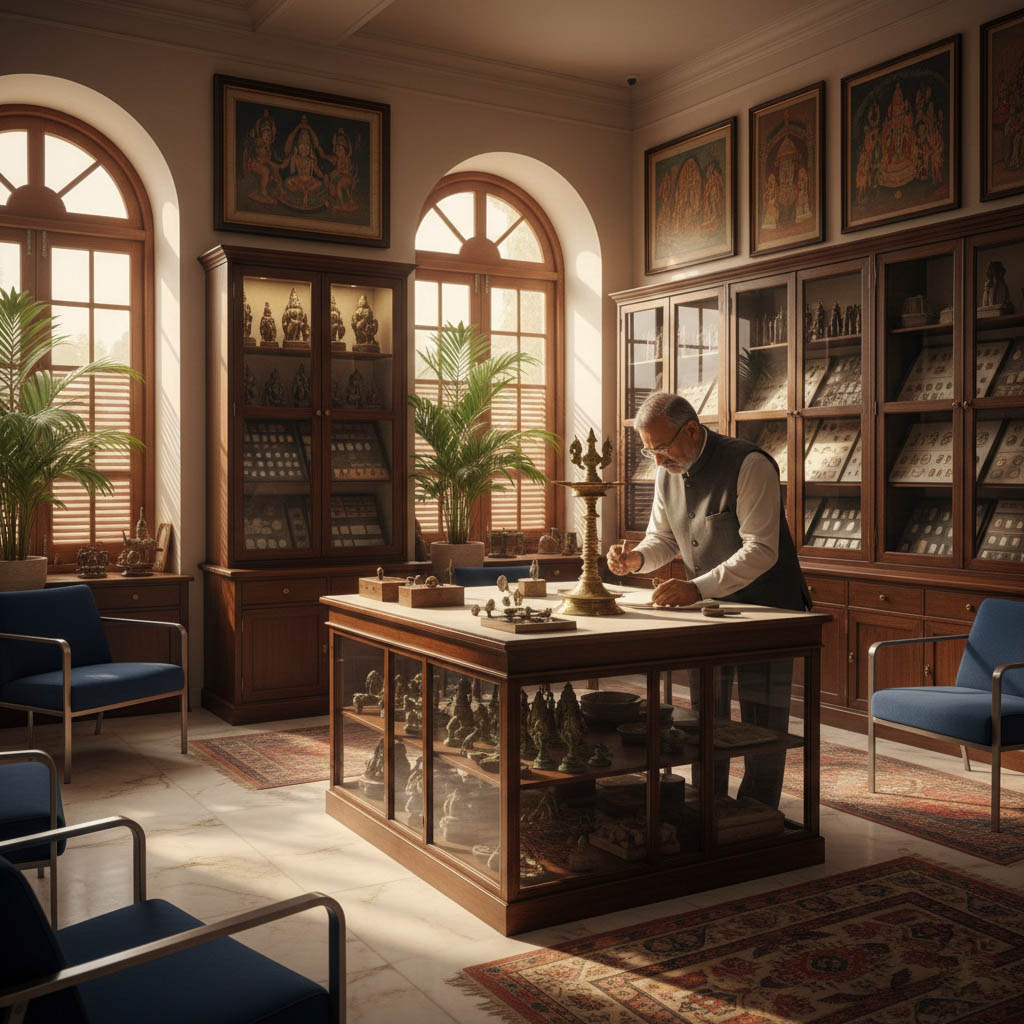
New Era for Antique Trade in India: Simplifying Rules and Encouraging Cultural Preservation
In a significant development for the world of art and cultural heritage, the Indian government has proposed a major overhaul of the legal framework regulating the trade of antiques in the country. The Centre, through its draft Antiquities and Art Treasures Regulation, Export and Import Bill, 2017, has suggested doing away with the requirement of a licence for selling antiques within India. This move is expected to provide a much-needed boost to art dealers and collectors, while also encouraging better documentation and preservation of cultural artefacts.
The proposal comes from the Archaeological Survey of India (ASI), the premier agency responsible for the protection and promotion of India’s rich cultural heritage. This draft marks a crucial step in modernising antiquities regulation, coming 32 years after the government first initiated amendments to the Antiquities and Art Treasures Act of 1972. The Act, which was notified in 1976, has long been criticised for its bureaucratic and cumbersome processes that often hindered legitimate trade and collection of antiques.
Under the existing legislation, anyone wishing to trade in antiques had to obtain a licence from an authorised ASI officer. The application process required extensive scrutiny, including verification of the applicant’s experience as a trader, the proposed location of business operations, and a check of the applicant’s criminal record. While these measures were intended to prevent illicit trade and safeguard heritage objects, many stakeholders in the art and antique industry found them restrictive and impractical.
A senior official from the ASI explained the rationale behind the new draft: “The process of obtaining licences and registering every antique has often been seen as cumbersome. This has discouraged genuine traders and collectors from complying with the law. With the draft, we aim to simplify procedures and facilitate the movement of antiques within the country while maintaining safeguards against smuggling.”
Significantly, the new draft proposes the complete repeal of all licences issued under the 1972 Act once the new bill becomes law. This means that art dealers will no longer be burdened by bureaucratic licensing requirements for domestic trade. Dealers will still be required to notify the government of any transactions or imports through an online portal maintained by the ASI. This step ensures that the authorities have a database of antique transactions and can track items without imposing restrictive barriers on trade.
While the new law allows virtually unrestricted trade of antiques within India, it continues to regulate exports stringently. According to the draft, no antique can be exported unless authorised by the government or its agencies. This dual approach balances the need to encourage the domestic trade of antiques while safeguarding India’s heritage against illegal international trade.
One of the key issues under the 1972 Act was the mandatory registration of all objects over 100 years old with the ASI. This included submission of a photograph of the item. Non-registration or incorrect registration could attract penalties, and the ASI was empowered to raid properties suspected of holding unregistered antiques. Many collectors and dealers avoided registration because of a widespread perception that registering an item would result in its seizure by the government.
The new draft addresses this concern directly. By removing restrictive licensing requirements, it aims to encourage collectors and dealers to voluntarily register their antiques and artefacts. This will allow the ASI to create a comprehensive and accurate database of cultural treasures across the country, while also helping to prevent smuggling and illicit trade. “Now, with no restrictions on domestic trade, we hope to engage with collectors and dealers constructively. This will not only improve transparency but also enhance preservation efforts,” the ASI official said.
Another significant aspect of the draft is its provisions regarding customs duty. The draft proposes waiving customs duty for individuals bringing back antiques of Indian origin after lawful purchase abroad, as well as for artists returning with their own creations. This move is expected to encourage Indian collectors and artists to reclaim their cultural heritage and support the global circulation of Indian art and craftsmanship.
The new draft bill has been made available for public consultation, allowing stakeholders—including art dealers, collectors, museums, and cultural organisations—to provide feedback before it is finalised. Once the consultation process is complete, the draft will be submitted to the Cabinet and, ultimately, to Parliament for approval. Only after parliamentary passage will the draft become law and replace the Antiquities and Art Treasures Act of 1972.
Experts in the field have welcomed the draft as a progressive step that balances ease of trade with cultural preservation. By reducing bureaucratic hurdles, the government is enabling a more vibrant antique market within India while retaining the ability to prevent illegal exports. The online notification system will also allow authorities to maintain oversight without hampering legitimate business.
Collectors, dealers, and museums are likely to see immediate benefits. Art galleries and antique shops will find it easier to operate, as they will no longer be constrained by complex licensing procedures. Private collectors may be more willing to register their items voluntarily, ensuring better documentation and safeguarding against theft or smuggling. Cultural institutions can benefit from a more transparent database of artefacts, aiding research, exhibitions, and educational programmes.
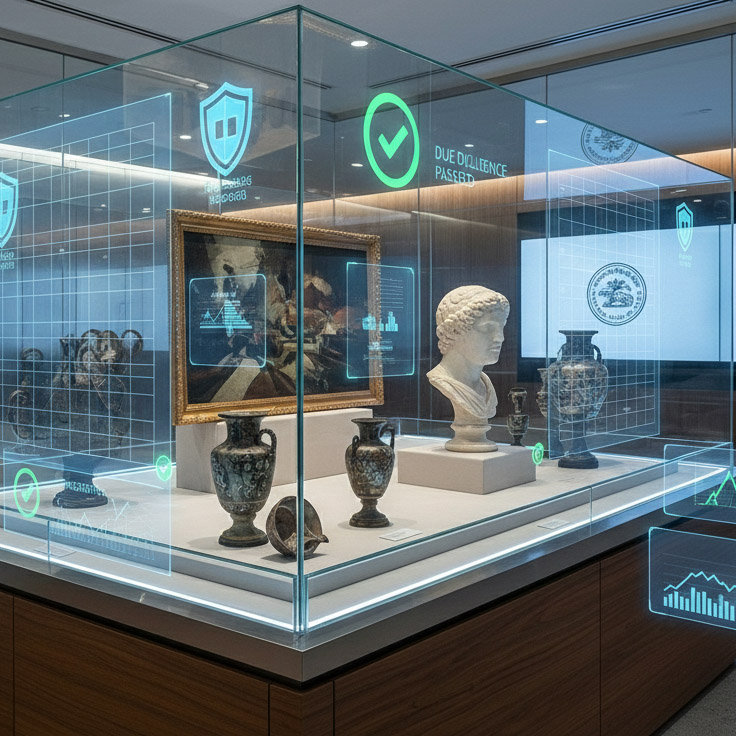
From a broader perspective, the proposed changes reflect India’s evolving approach to heritage management. The focus is shifting from restrictive regulation to facilitative governance—supporting trade and collection while maintaining mechanisms to prevent loss or illegal movement of cultural property. This approach aligns with international best practices in heritage management, where registration, documentation, and controlled trade are preferred over cumbersome licensing regimes.
Moreover, the draft bill has implications beyond commerce. It signals recognition of the economic and cultural value of antiques as assets that contribute to tourism, scholarship, and national identity. By encouraging the movement and trade of antiques within the country, the government is also promoting awareness of India’s rich artistic and historical legacy. Dealers and collectors will play an important role as custodians of heritage, ensuring that artefacts are preserved, studied, and appreciated by future generations.
In conclusion, the draft Antiquities and Art Treasures Regulation, Export and Import Bill, 2017 represents a thoughtful attempt to modernise India’s legal framework governing antiques. By removing licensing requirements for domestic trade, introducing an online notification system, waiving customs duties for returning artefacts, and continuing to regulate exports, the government is striking a balance between promoting legitimate trade and protecting cultural heritage. Once enacted, this law could transform the antique market in India, making it more transparent, vibrant, and aligned with global standards. Stakeholders across the art and culture sectors now have an opportunity to engage with the draft, provide feedback, and contribute to shaping a policy that safeguards India’s treasures while encouraging their appreciation and circulation within the country.